
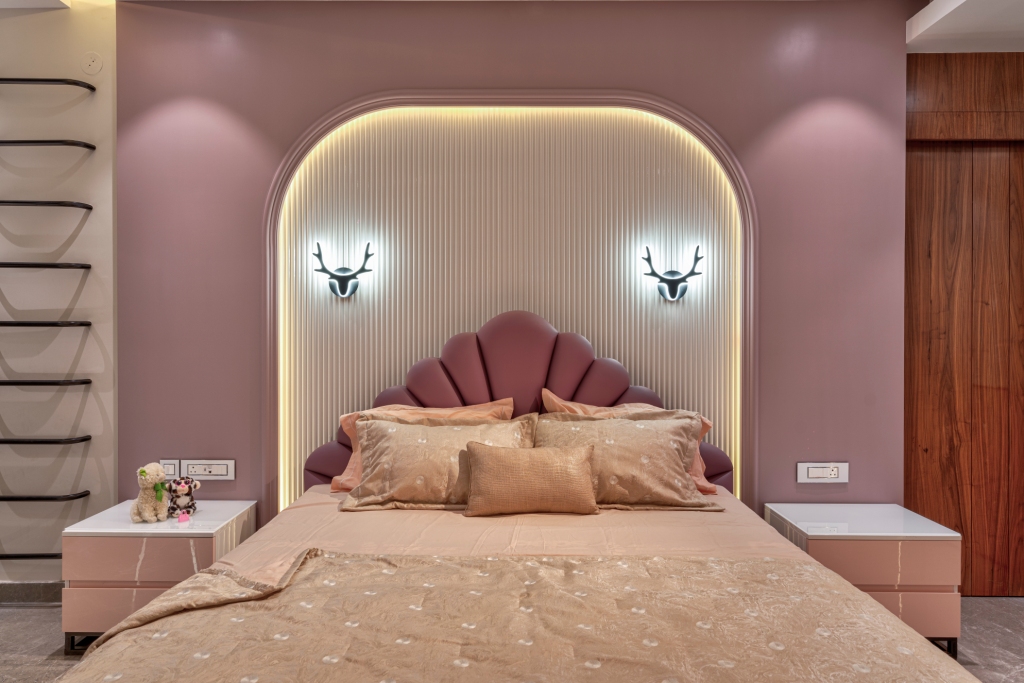
1. Define Your Personal Aesthetic (Before You Search)
Before browsing portfolios or setting up consultations, spend time clarifying what “luxury” means to you. Ask yourself:
- Which spaces on Instagram, Pinterest, or design magazines make you pause and take notes?
- Do you lean toward clean, contemporary lines or ornate, classic details?
- Are you drawn to a specific palette—moody jewel tones, neutral earth hues, or unexpected pops of color?
Action Item: Create a shared mood board or folder of 15–20 inspirational images. This will be your North Star when interviewing designers and comparing proposals.
2. Vet Portfolios for Style Alignment (Not Just “Luxury”)
Luxury is about more than high-end finishes or expensive materials—it’s about cohesion, balance, and intentionality. When reviewing a designer’s portfolio, look for:
- Signature Elements: Does the designer consistently use textures, patterns, or furniture silhouettes you love?
- Range vs. Specialization: Some studios excel at ultra-modern minimalism, others at classic European glamour. Make sure their best work aligns with your mood board.
- Attention to Detail: Notice built-in millwork, custom upholstery, and curated art placements—these are hallmarks of a truly bespoke approach.
Pro Tip: Don’t be swayed by celebrity projects alone. A stellar luxury designer will have smaller residential examples that speak to the same level of thoughtfulness.
3. Schedule In-Depth Consultations (Ask the Right Questions)
A one-hour coffee meeting won’t cut it. Treat your initial consultation like a design intake interview. Key questions to ask:
- “How do you translate personal stories into design concepts?”
- “Can you show me a project where the end result diverged from your initial vision?”
- “What systems do you have in place to keep my project on budget and on schedule?”
Listen as much to their process as to their portfolio. A world-class luxury designer will walk you through mood-boarding tools, supplier relationships, and project management platforms that ensure clarity every step of the way.
4. Evaluate Communication & Collaboration Style
Even the most visionary designer is only as effective as their ability to collaborate. Luxury interiors frequently involve custom furnishings, imported materials, and coordination with architects or builders. During your vetting process, assess:
- Responsiveness: Do they return your follow-ups promptly?
- Transparency: Will they share suppliers, budgets, and timelines openly?
- Flexibility: How do they handle changes in scope or unexpected delays?
Your ideal partner should feel like an extension of your own taste, asking thoughtful questions, offering creative solutions, and keeping you in the loop without overwhelming you.
5. Confirm Value Beyond Aesthetics
At Genesis Home, we believe true luxury is both beautiful and built to last. Before signing any agreement:
- Review Contract Details: Make sure deliverables, payment schedules, and change-order procedures are spelled out clearly.
- Ask About Warranty & Aftercare: Top designers stand by their work and often coordinate maintenance or styling refreshes post-completion.
- Discuss ROI on Key Investments: Whether it’s a hand-woven silk rug or a bespoke lighting installation, your designer should help you understand how each decision enhances both your daily life and long-term property value.
Final Thoughts & Next Steps
Finding a luxury interior designer who understands your unique style can feel daunting, but with a clear process in place, you’ll enter your project with confidence. Remember: it’s not just about a pretty room, but a home that tells your story, supports your lifestyle, and stands the test of time.
If you’re ready to bring your vision to life with Genesis Home’s award-winning design team, schedule your complimentary discovery session today. Let’s build the luxury interior you’ve always dreamed of—tailored, timeless, and unmistakably yours.